Automotive event management is the specialized planning, coordination, and execution of events created specifically for the automotive industry, including vehicle launches, trade shows, dealer conferences, media briefings, and brand experience events.
Unlike generic event planning, automotive events demand deep industry knowledge, strict compliance handling, high-value logistics, and advanced technology integration to deliver impactful brand experiences and measurable business outcomes.
With automotive brands investing heavily in experiential marketing, dealer engagement, and media visibility, professional automotive event management has become a strategic growth driver rather than a support function.
What Is Automotive Event Management?
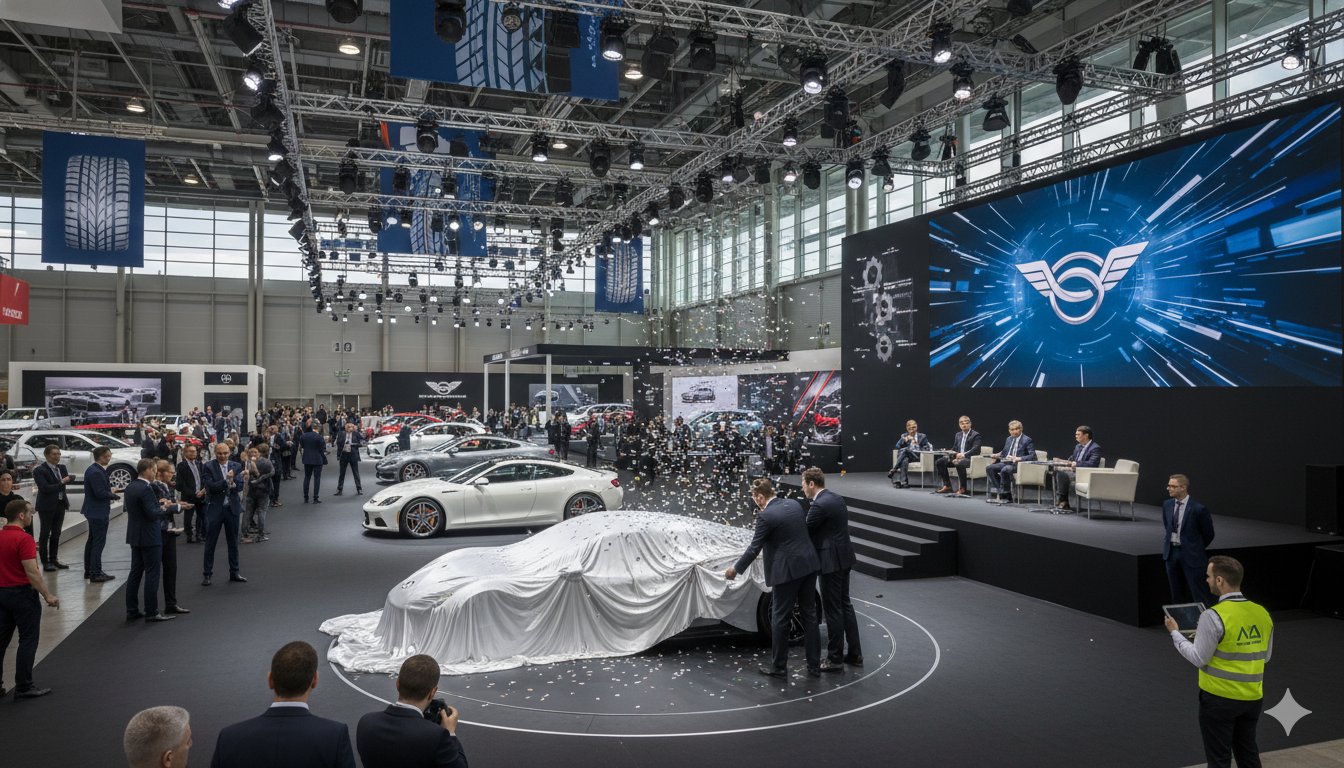
Automotive event management is a professional service that focuses on planning, managing, and executing automotive industry events such as vehicle launches, auto expos, dealer meetings, press events, and promotional activations while ensuring brand consistency, regulatory compliance, and operational excellence.
Definition and Scope
Automotive event management goes beyond traditional event planning. It blends event logistics, automotive marketing, technology platforms, and compliance frameworks into a single, execution-driven discipline.
The scope typically includes:
- Strategic event planning and concept development
- Venue sourcing suitable for vehicle displays and demos
- End-to-end logistics for vehicles, equipment, and branding
- Coordination with OEMs, dealers, media, and partners
- Integration of event technology and analytics
- Safety, legal, and regulatory compliance
- Post-event performance tracking and ROI analysis
This specialization ensures events not only look impressive but also support sales pipelines, dealer alignment, and brand positioning.
Types of Automotive Event Management
Automotive event management covers a wide spectrum of event formats, each with unique goals and operational requirements.
1. Vehicle Launch Events
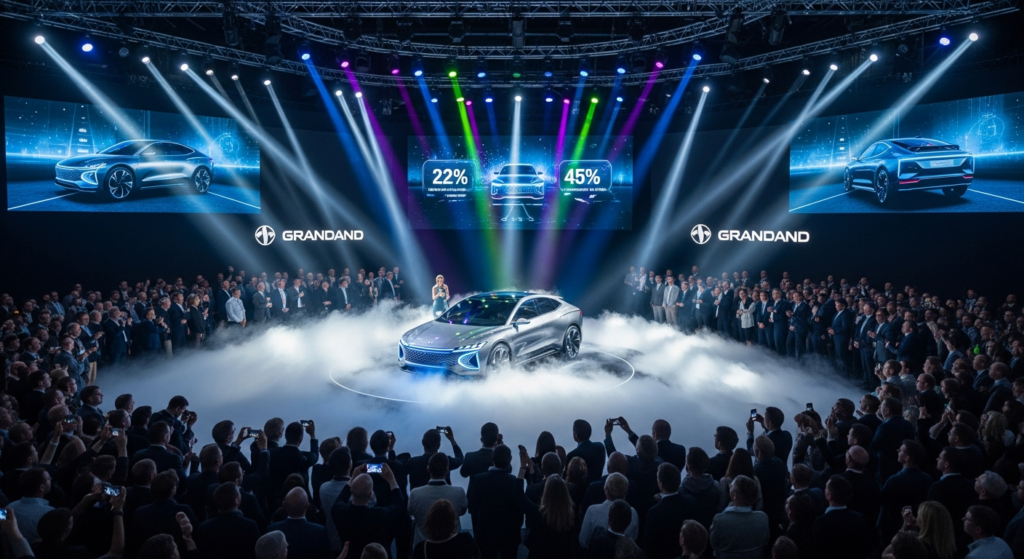
Vehicle launch events are high-impact showcases designed to introduce new models to media, dealers, and customers.
Key characteristics:
- Controlled brand storytelling
- Precision stage design and lighting
- Live or hybrid streaming for global reach
- Media kits, test drives, and press briefings
These events often influence early market perception and booking momentum.
2. Automotive Trade Shows & Auto Expos
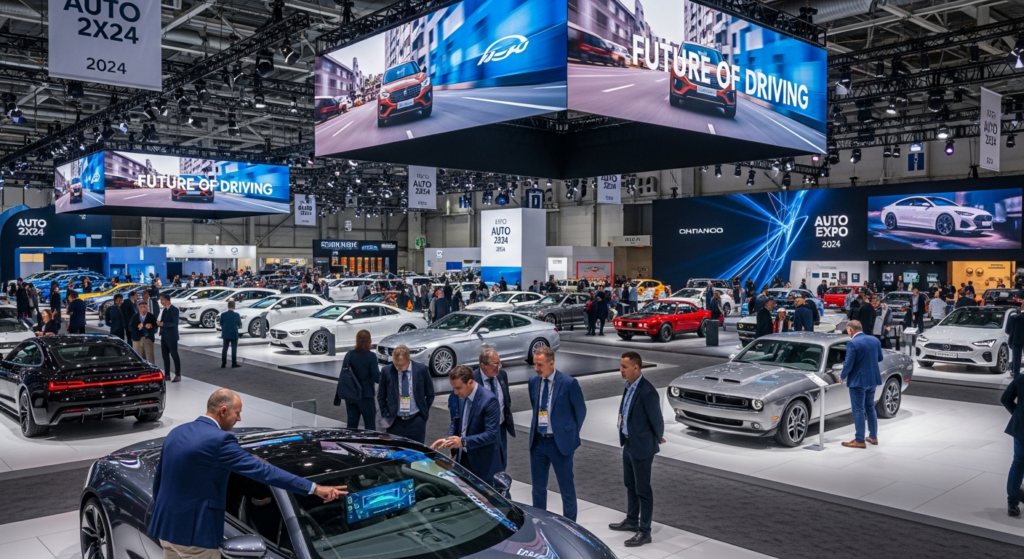
Trade shows allow brands to display innovation, technology, and design at scale.
Core elements include:
- Custom exhibition booth design
- Interactive product displays
- Lead capture and visitor analytics
- Live demos and presentations
Auto expos require meticulous coordination due to high footfall, strict venue regulations, and competitive brand presence.
3. Dealer Conferences & Sales Meets
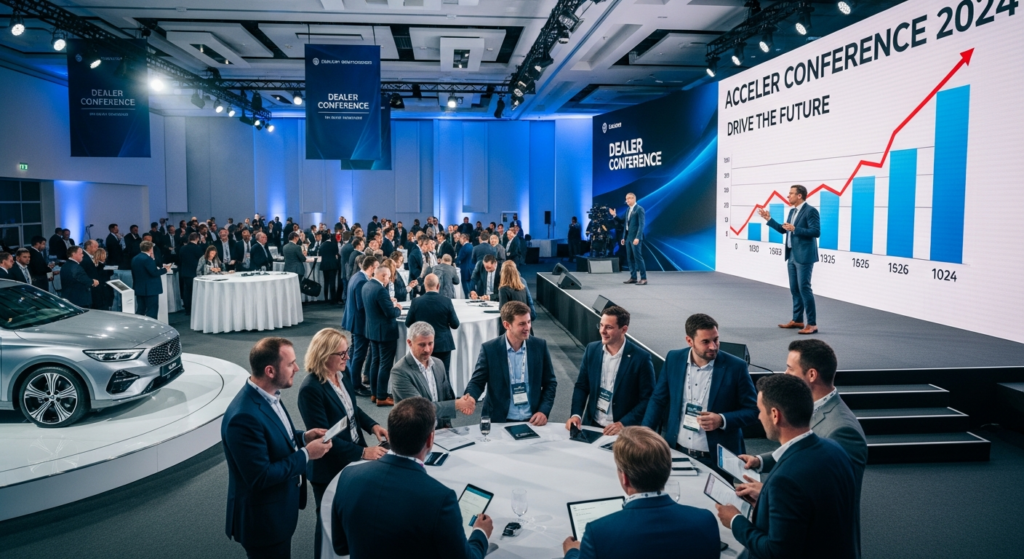
Dealer events focus on alignment, motivation, and education.
Objectives typically include:
- Product training and roadmap sharing
- Sales strategy alignment
- Dealer recognition and awards
- Networking and relationship building
These events directly impact dealer performance and brand loyalty.
4. Automotive Media & Press Events
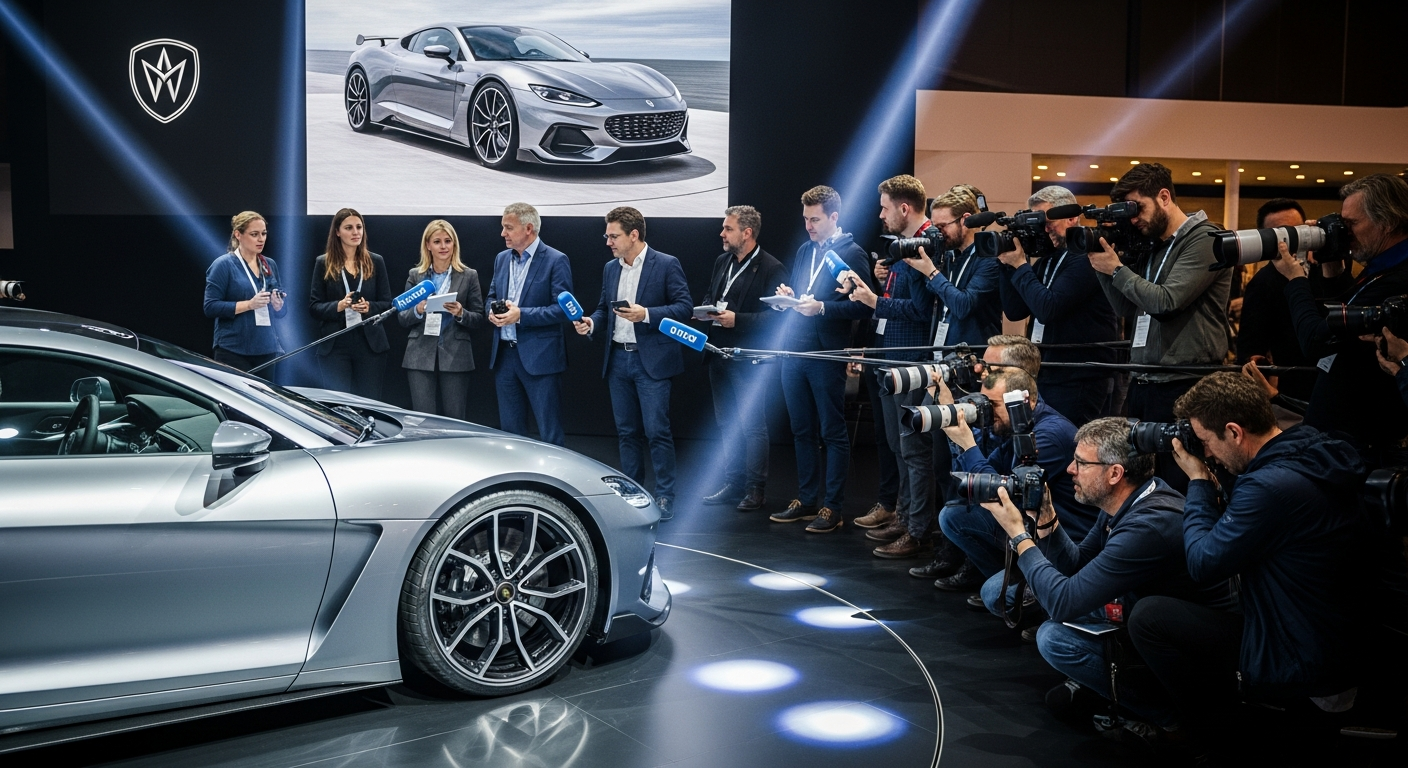
Media events are designed for journalists, influencers, and industry analysts.
Execution priorities:
- Controlled messaging
- Exclusive access to vehicles
- Press conferences and interviews
- Content-friendly environments
Precision is critical, as media coverage shapes public narratives.
5. Brand Activations & Experiential Events
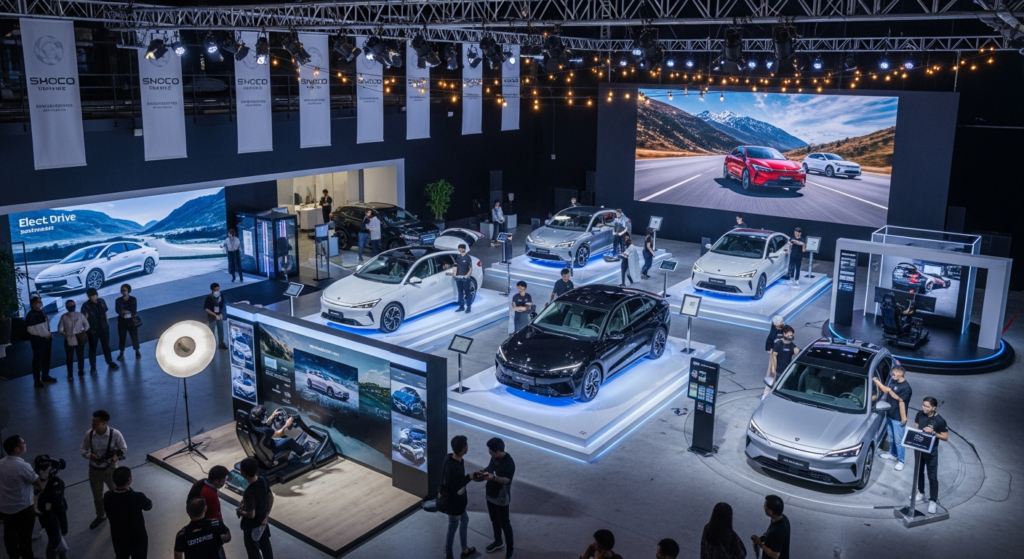
Experiential events bring automotive brands closer to consumers.
Examples:
- Mall or outdoor activations
- Test drive campaigns
- Roadshows and pop-ups
- Customer appreciation events
These formats focus on engagement, data capture, and emotional connection.
Why Automotive Event Management Requires Specialization
Automotive events involve high-value assets, complex logistics, and brand-critical execution. A single misstep can impact reputation, safety, or sales.
Specialized automotive event management addresses:
- Vehicle handling and transportation
- Venue load-in/load-out restrictions
- Safety protocols for live demos
- Insurance and liability management
- Cross-country or global coordination
This is why automotive brands prefer event partners with proven industry experience rather than generalist agencies.
Benefits of Professional Automotive Event Management
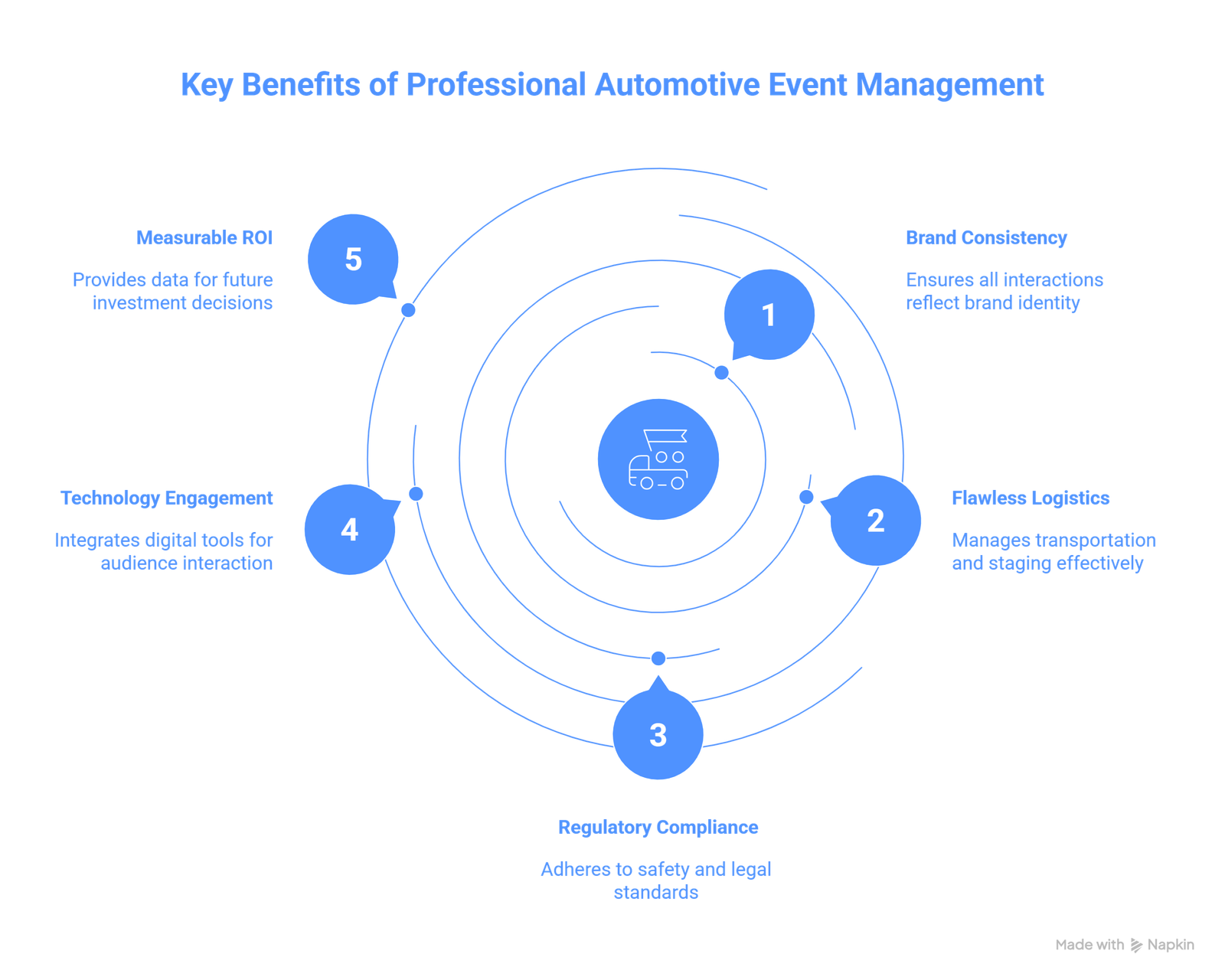
1. Brand Consistency Across Touchpoints
Professional management ensures that every interaction—from stage design to staff uniforms—reflects the brand’s identity and values.
2. Flawless Logistics Execution
From transporting vehicles to managing power loads and staging, experts anticipate challenges before they arise.
3. Regulatory and Safety Compliance
Automotive events often involve live vehicles, public interactions, and mechanical demonstrations—making compliance non-negotiable.
4. Technology-Driven Engagement
Modern automotive event management integrates:
- Digital registration systems
- RFID or QR-based access
- Social media walls and live feeds
- Engagement analytics dashboards
This transforms events into measurable marketing assets.
5. Measurable ROI and Insights
Post-event reporting delivers insights such as:
- Attendance and engagement metrics
- Lead quality and conversions
- Media reach and sentiment
- Sales influence tracking
This data supports smarter future investments.
Automotive Event Management vs General Event Planning
| Aspect | Automotive Event Management | General Event Planning |
|---|---|---|
| Industry Expertise | Deep automotive knowledge | Broad, non-specific |
| Logistics Complexity | Very high | Moderate |
| Compliance Needs | Extensive | Limited |
| Asset Value | High-value vehicles | Standard equipment |
| Technology Use | Advanced, data-driven | Basic to moderate |
This distinction highlights why automotive events demand specialized partners.
Who Needs Automotive Event Management Services?
Automotive event management is essential for:
- OEMs and automobile manufacturers
- EV startups and mobility brands
- Automotive dealers and dealer networks
- Auto component manufacturers
- Automotive marketing agencies
- Trade show exhibitors
Any organization aiming to create impact within the automotive ecosystem benefits from specialized event expertise.
How to Plan Automotive Events Successfully
Successful automotive event planning involves clearly defined objectives, precise audience targeting, detailed logistics coordination, regulatory compliance, technology integration, and real-time execution supported by post-event performance analysis.
Automotive events leave little room for error. Every phase must be planned with precision, as delays, safety lapses, or messaging inconsistencies can directly affect brand credibility and sales outcomes.
Pre-Event Planning Phase
1. Objective Setting and Event Strategy
Every automotive event should begin with clearly defined business goals. Without a measurable objective, even the most visually impressive event can fail commercially.
Common automotive event objectives include:
- Launching a new vehicle or variant
- Generating dealer bookings or test drives
- Educating dealer networks
- Building media coverage and PR value
- Creating consumer brand engagement
- Supporting regional or global sales campaigns
Clear objectives help shape decisions around format, scale, budget, and technology.
2. Audience Analysis and Segmentation
Automotive events often serve multiple audiences simultaneously. Understanding each segment ensures messaging relevance.
Typical attendee segments:
- Automotive journalists and media
- Dealers and distributor partners
- Corporate leadership and internal teams
- Customers and prospects
- Influencers and content creators
Each group requires tailored experiences, communication styles, and engagement touchpoints.
3. Budget Planning and Cost Allocation
Automotive event budgets are typically higher due to logistics and asset value. Proper allocation ensures cost efficiency without compromising experience.
Key budget components:
- Venue and infrastructure
- Vehicle logistics and insurance
- Stage, AV, and lighting
- Technology platforms and software
- Staffing and hospitality
- Marketing, branding, and content creation
A contingency reserve (usually 10–15%) is critical for managing unforeseen operational challenges.
4. Timeline Development and Milestones
Automotive events follow strict timelines, especially when media embargoes or launch dates are involved.
A structured timeline includes:
- Concept finalization
- Vendor onboarding
- Vehicle dispatch schedules
- Rehearsals and dry runs
- Media briefings and previews
- Event-day execution
- Post-event follow-ups
Milestone-based planning helps keep all stakeholders aligned.
Venue Selection for Automotive Events
Venue selection is one of the most critical decisions in automotive event management.
Key Venue Requirements
Automotive venues must support:
- Vehicle entry, exit, and movement
- Load-bearing capacity for heavy displays
- Power supply for AV and lighting
- Safety clearances and fire exits
- Audience visibility and crowd control
Popular venue types include convention centers, racetracks, warehouses, open grounds, and luxury hotels with vehicle access.
Indoor vs Outdoor Venues for Automotive Events
| Venue Type | Advantages | Challenges |
|---|---|---|
| Indoor | Weather control, lighting precision | Space and access limitations |
| Outdoor | Scale and flexibility | Weather and noise control |
The event objective determines the ideal venue format.
Automotive Event Management – Logistics and Coordination
1. Vehicle Logistics Management
Vehicle handling is a defining factor in automotive event success.
Logistics planning includes:
- Secure transportation of vehicles
- Pre-event inspections and cleaning
- On-site maneuvering plans
- Fuel, charging (for EVs), and maintenance
- Secure overnight storage
Any damage or delay can lead to significant reputational and financial impact.
2. Vendor and Partner Coordination
Automotive events involve multiple specialized vendors working simultaneously.
Key vendor categories:
- Production and staging teams
- AV and lighting specialists
- Fabrication and branding vendors
- Technology and software providers
- Security and safety personnel
Centralized coordination ensures smooth execution and avoids last-minute conflicts.
3. Compliance, Safety, and Risk Management
Safety and compliance are non-negotiable in automotive events.
Core considerations:
- Local authority permissions
- Fire and emergency approvals
- Insurance and liability coverage
- Crowd control and security
- Test drive and demo safety protocols
Professional automotive event managers proactively mitigate risks rather than reacting to issues onsite.
Event-Day Execution Framework
Event day execution relies on operational discipline and clear command structures.
Core Execution Elements
- Central control room for decision-making
- Real-time coordination across teams
- Live monitoring of timelines and cues
- Immediate issue escalation protocols
- Backup plans for technology and logistics
A well-managed automotive event often looks effortless to attendees—because all complexity is handled behind the scenes.
Automotive Event Management – Post-Event Analysis and ROI Measurement
Why Post-Event Evaluation Matters in Automotive Event Management Servcies
Automotive events are investments, not expenses. Measuring performance validates ROI and improves future planning.
Key performance indicators include:
- Attendance vs registration ratio
- Dealer or customer leads generated
- Media coverage and impressions
- Social engagement and reach
- Sales influence and bookings
Data-driven insights transform events into long-term growth assets.
Automotive Event Management Challenges
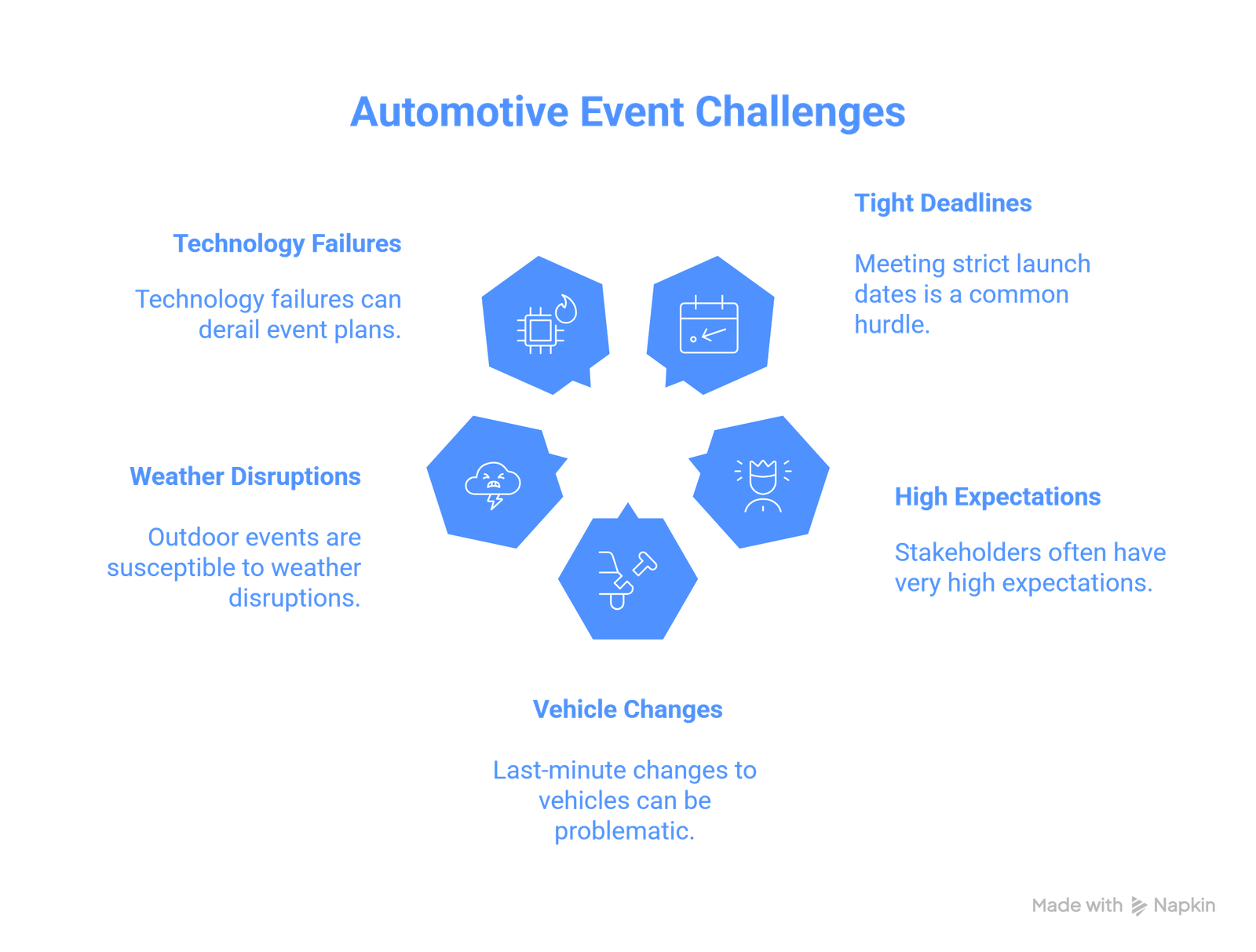
Automotive event planners regularly face challenges such as:
- Tight launch deadlines
- High stakeholder expectations
- Last-minute vehicle changes
- Weather disruptions for outdoor events
- Technology failures
Experienced automotive event management teams plan redundancies to minimize impact.
Automotive Event Management Software and Technology
Role of Technology in Event Management has evolved from being an addon to a must have. Modern automotive event management relies on specialized software solutions to manage registrations, logistics, engagement, analytics, and post-event reporting, ensuring efficiency, scalability, and measurable ROI.
Technology has transformed automotive events from one-time experiences into data-driven marketing engines.
Core Features of Automotive Event Management Softwares
Automotive-focused event platforms are designed to handle complex, multi-stakeholder environments.
1. Registration and Access Management
Advanced registration systems enable:
- Online invitations and RSVP tracking
- Segmented access (media, dealers, VIPs, customers)
- QR or RFID-based check-ins
- On-site badge printing
This ensures smooth attendee flow while collecting valuable attendee data.
2. CRM and Sales Integration
Automotive events are closely tied to sales outcomes.
Software integration supports:
- Lead capture and qualification
- CRM synchronization
- Dealer-wise lead distribution
- Post-event follow-ups
This allows brands to directly link events to pipeline performance.
3. Mobile Apps and Attendee Engagement
Event-specific mobile apps enhance the attendee engagements by offering:
- Live agendas and notifications
- Speaker and vehicle information
- Polls, Q&A, and feedback tools
- Interactive maps and schedules
Engagement tools increase dwell time and data depth.
4. Analytics and Performance Dashboards
Event analytics tools are powered-up with real-time dashboards providing insights into:
- Attendance and engagement trends
- Session popularity
- Content performance
- Lead conversion metrics
This data empowers teams to optimize both live execution and future events.
Virtual and Hybrid Automotive Event Solutions
Virtual and hybrid automotive events combine physical experiences with digital platforms, enabling broader reach, cost efficiency, and detailed performance tracking.
The shift toward virtual and hybrid formats has expanded how automotive brands launch vehicles and engage audiences globally.
Automotive Virtual Event Technologies
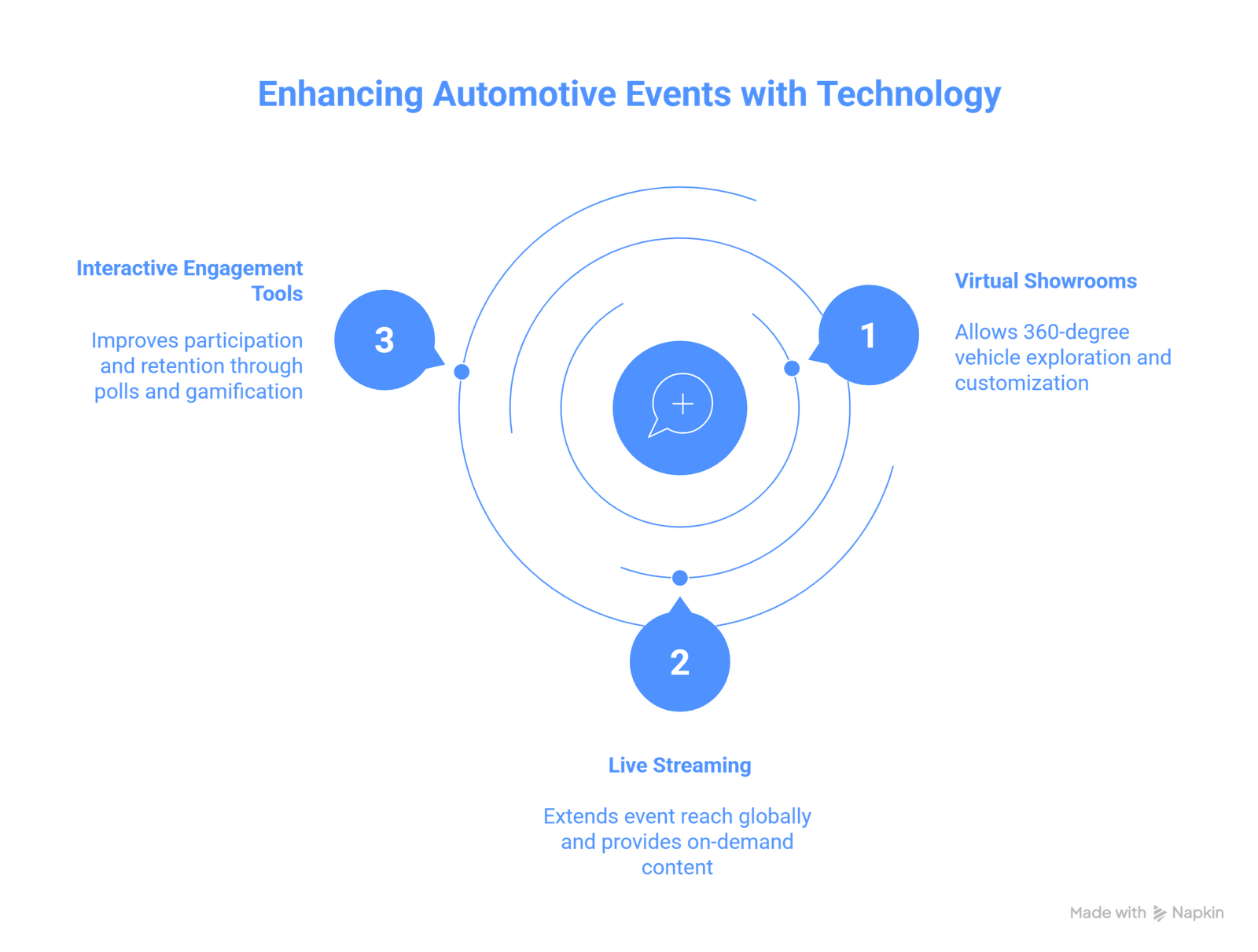
1. Virtual Showrooms and 3D Displays
Virtual showrooms allow attendees to:
- Explore vehicles in 360-degree views
- Customize features and colors
- Access technical specifications
- Interact with brand representatives
These platforms replicate showroom experiences without geographic limitations.
2. Live Streaming and On-Demand Content
Live-streamed launches and sessions:
- Extend reach beyond physical venues
- Support global media participation
- Allow on-demand replays post-event
This significantly increases content lifespan and visibility.
3. Interactive Engagement Tools
Digital engagement tools include:
- Live polls and surveys
- Q&A sessions
- Social media aggregation
- Gamification elements
These features improve participation and audience retention.
Benefits of Virtual and Hybrid Automotive Events
| Benefit | Impact |
|---|---|
| Cost Efficiency | Lower venue and logistics costs |
| Global Reach | Access to international audiences |
| Data Insights | Deeper analytics and reporting |
| Sustainability | Reduced carbon footprint |
For many brands, hybrid events now deliver the best balance between experience and efficiency.
Automotive Event Management Cost Breakup
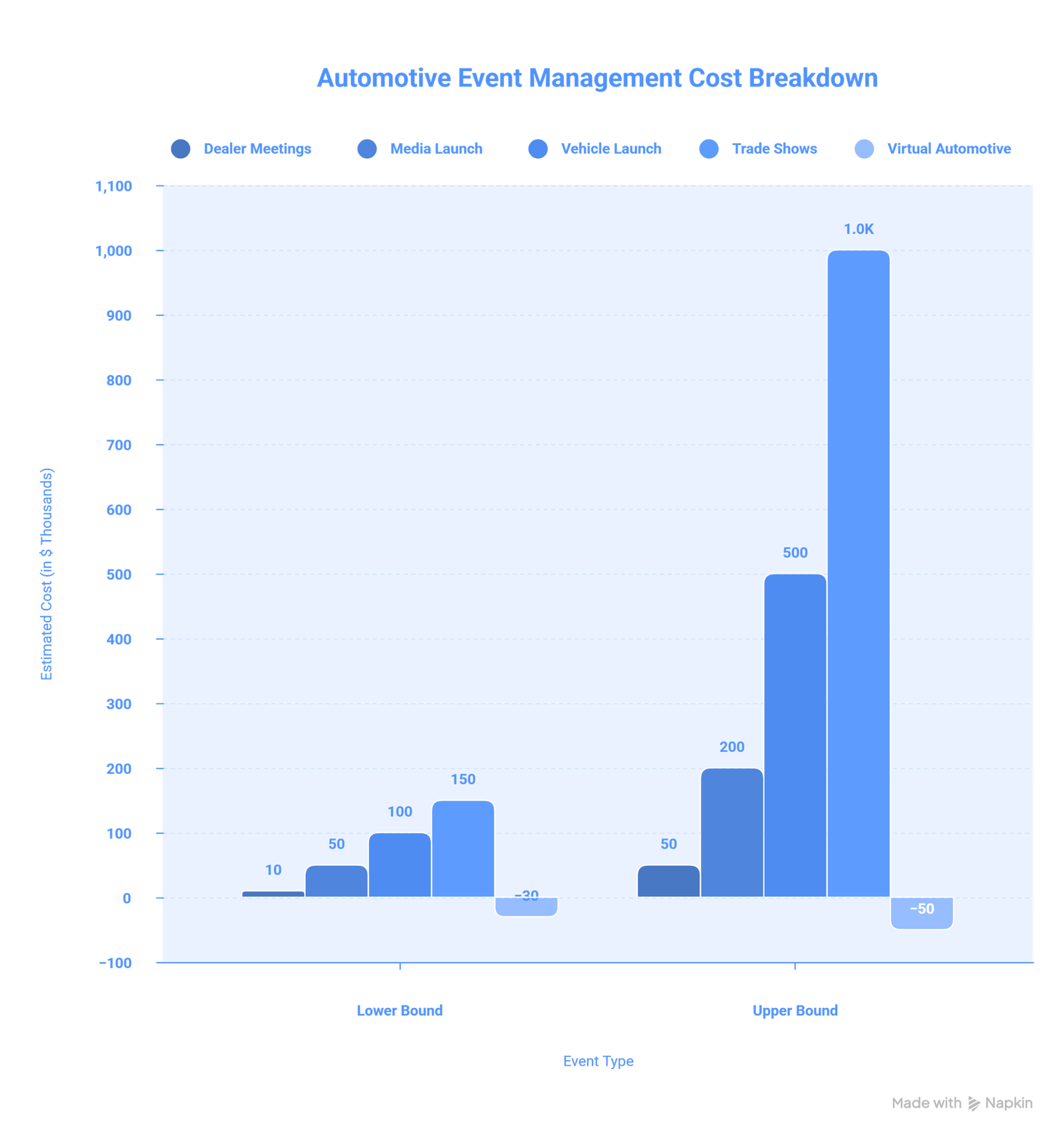
Automotive event management costs vary based on event type, scale, and complexity, typically ranging from $10,000 for small dealer events to over $1 million for major vehicle launches and auto shows.
1. Dealer Meetings and Sales Conferences
- Estimated cost: $10,000 – $50,000
- Focus: Training, alignment, motivation
2. Media Launch Events
- Estimated cost: $50,000 – $200,000
- Focus: Press visibility and storytelling
3. Vehicle Launch Events
- Estimated cost: $100,000 – $500,000+
- Focus: Brand impact and bookings
4. Trade Shows and Auto Expos
- Estimated cost: $150,000 – $1,000,000+
- Focus: Market presence and lead generation
5. Virtual Automotive Events
- Estimated cost: 30–50% lower than physical events
Key Cost Influencers
Automotive event budgets are influenced by:
- Number of vehicles displayed
- Venue size and location
- Technology and production scale
- Guest count and hospitality level
- Compliance and insurance requirements
Understanding these variables helps brands plan realistically and avoid overruns.
Automotive Event Management Industry Data & Trends
Key Industry Insights
- Automotive brands allocate a significant portion of their marketing budgets to experiential events
- Hybrid events continue to grow due to flexibility and scalability
- Data-driven events show higher ROI compared to traditional formats
- Sustainability is becoming a major decision factor in event planning
These trends highlight the growing strategic value of automotive event management.
Automotive Events Management – Common Mistakes to Avoid
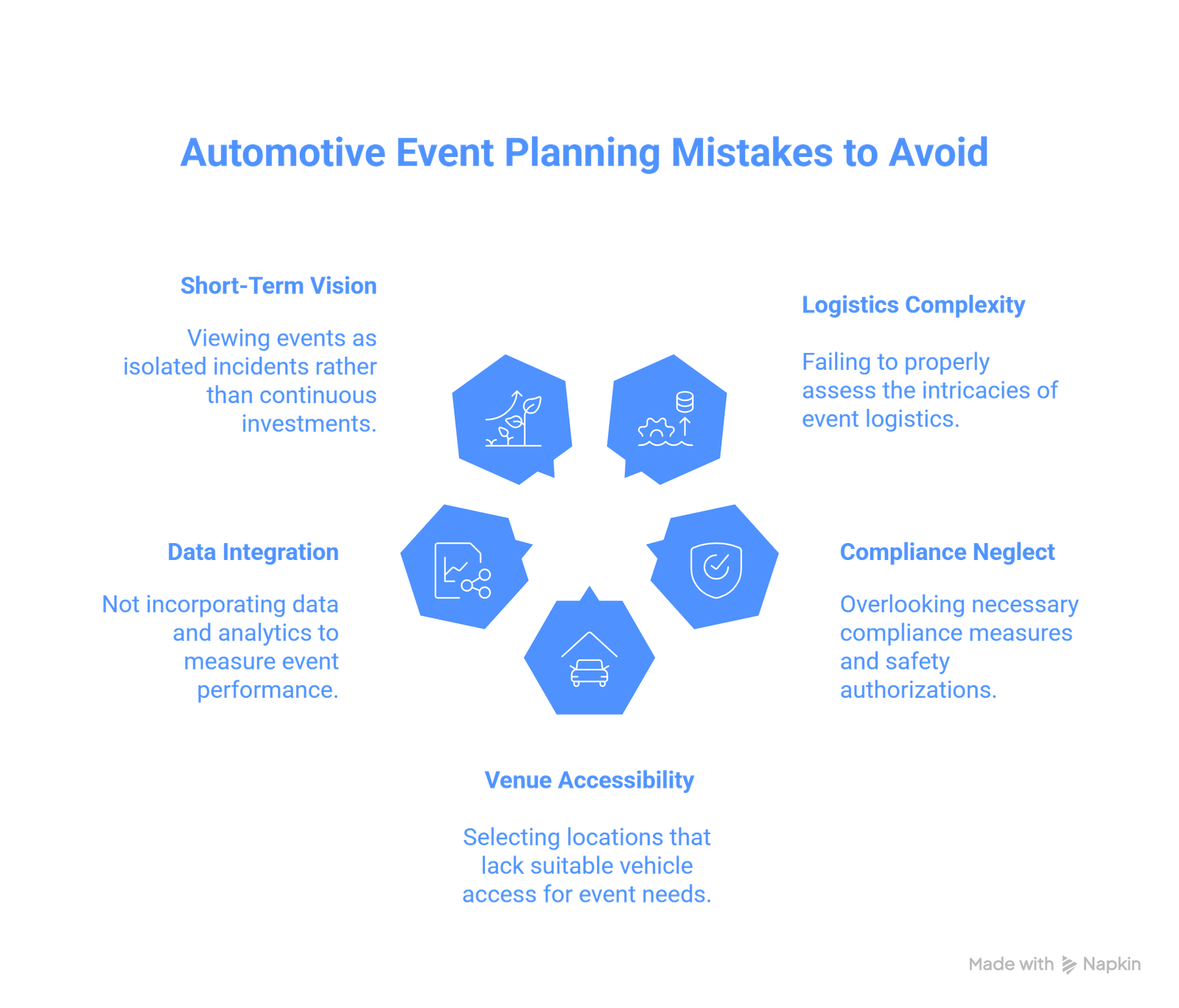
- Underestimating logistics complexity
- Ignoring compliance and safety approvals
- Choosing venues without vehicle access
- Not integrating data and analytics
- Treating events as one-time activities instead of ongoing assets
Avoiding these automotive event management mitakes significantly improves outcomes.
Frequently Asked Questions (FAQ)
What does automotive event management include?
Automotive event management includes planning, coordinating, and executing automotive industry events such as vehicle launches, trade shows, dealer conferences, press events, and experiential brand activations.
How much does automotive event management cost?
Automotive event management costs typically range from $10,000 for small dealer events to over $1 million for large-scale vehicle launches and auto expos.
Why should automotive brands hire specialized event managers?
Specialized automotive event managers understand vehicle handling, regulatory approvals, media workflows, and dealer expectations. Their expertise minimizes risk, protects brand reputation, and ensures events contribute directly to marketing and sales objectives.
What types of automotive events need professional management?
Vehicle launches, auto shows, dealer conferences, press events, roadshows, and experiential brand activations all require professional automotive event management.
Are virtual automotive events effective?
Virtual events enable global participation, on-demand content access, and deep analytics. Hybrid formats combine physical experience with digital reach, making them a preferred choice for modern automotive brands.